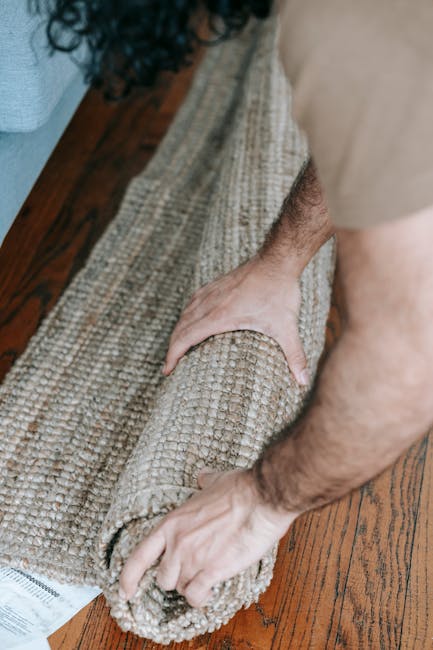
What to Know About Bromley Council Carpet Disposal
If you're staring at a rolled-up carpet in the hallway and wondering what on earth to do with it, you're not alone. What to Know About Bromley Council Carpet Disposal is one of those practical topics people only think about when a renovation, move, or end-of-tenancy clean lands on their lap. And truth be told, carpet disposal is rarely as simple as "put it out and hope for the best."
Old carpets are bulky, awkward, and often heavier than they look. They can't always go in normal household waste, and the wrong approach can mean delays, extra effort, or an unnecessary trip back to the kerb. This guide walks you through the local basics, the sensible options, and the small details that save time later. If you want the bigger picture of cleaning and property prep too, you may also find our house clearance and end of tenancy cleaning pages useful as background reading.
Let's make it straightforward.
Table of Contents
- Why Bromley Council carpet disposal matters
- How the disposal process works
- Key benefits and practical advantages
- Who this is for and when it makes sense
- Step-by-step guidance
- Expert tips for better results
- Common mistakes to avoid
- Tools, resources and recommendations
- Law, compliance, standards and best practice
- Options and comparison table
- Case study or real-world example
- Practical checklist
- Conclusion
- Frequently asked questions
Why Bromley Council Carpet Disposal Matters
Carpet disposal sounds like a small job until you're the one carrying a dusty old runner down the stairs. Then it becomes a real job. In Bromley, as in most London boroughs, bulky household items need a bit more thought than a standard black bin bag. Carpet is awkward because it takes up a lot of space, can contain underlay, gripper rods, nails, dust, and all the usual bits that show up after years of footfall.
It matters for a few simple reasons. First, there's convenience: getting rid of carpet properly keeps your home, hallway, and vehicle cleaner and safer. Second, there's compliance: local waste rules exist for a reason, and councils expect residents to use the right disposal route. Third, there's sustainability. Carpet is not the easiest thing to recycle, but it's still worth choosing the option that reduces waste where possible. That's especially relevant if you're also thinking about wider household clean-up or a room refresh, because one skipped step can slow the whole project down.
There's also a property angle. Landlords, tenants, homeowners, and contractors all run into this. If you're replacing flooring before a sale, move-out, or letting inspection, the last thing you want is carpet waste sitting around waiting for "some other day." Those days have a funny way of turning into weeks.
Expert summary: The best carpet disposal plan is usually the one that matches the volume of waste, the condition of the carpet, and how quickly you need the space cleared. Simple enough, but that little bit of planning makes a big difference.
How Bromley Council Carpet Disposal Works
At a practical level, carpet disposal usually follows one of three paths: council collection, household waste facility drop-off, or private removal. The right choice depends on how much carpet you have, whether there's underlay or other building waste mixed in, and whether you can transport it safely yourself.
With council-related disposal, you normally need to check what the local service allows for bulky waste, what preparation is required, and whether there are any booking or collection conditions. Councils often treat carpets as bulky household waste rather than everyday bin rubbish. That means size, bundling, and collection rules can all matter. Some services accept carpets cut into manageable lengths and securely rolled or tied. Others have restrictions around mixed materials. A bit annoying, yes, but predictable once you know the pattern.
If the carpet is clean and you are removing it yourself, you may be able to take it to a waste site, provided you separate it from other renovation debris and follow site rules. If the carpet is wet, heavily soiled, mouldy, or tangled with adhesives and underlay, disposal becomes trickier. In those cases, a professional clearance route is often less hassle.
In our experience, the thing people forget most is preparation. A carpet that's cut, rolled, and taped is much easier to move than one that's been yanked up and left in a floppy heap. The difference is dramatic. One feels like a plan; the other feels like a wrestling match with a hallway.
Key Benefits and Practical Advantages
Using the right disposal route for old carpet does more than clear floor space. It reduces stress and helps the rest of your project run properly.
- Less hassle: You avoid guessing whether the carpet is acceptable in general waste.
- Cleaner property: Removing old flooring tidily stops dust, fibres, and debris spreading around.
- Better timing: Disposal can be arranged around decorating, moving, or cleaning schedules.
- Safer handling: Rolled carpet is easier to carry than loose strips, especially on stairs.
- More suitable for larger jobs: If you're clearing several rooms, a proper removal plan keeps the job organised.
- Better for resale or letting: Empty, clean floors make a property easier to present well.
A practical advantage many people overlook is knock-on efficiency. If the carpet is gone, the room can be cleaned, dried, inspected, and re-floored sooner. That sounds obvious, but when you're in the middle of a busy week, it's easy to forget how much one bulky item can slow everything else down.
There's also peace of mind. You know the waste has gone the right way, and that feels better than quietly wondering whether you've accidentally done the wrong thing with a van full of old underlay.
Who This Is For and When It Makes Sense
This topic matters to a wide mix of people, not just homeowners with a spare Saturday.
- Tenants moving out: Especially when the carpet has been damaged, lifted, or replaced before handing back the keys.
- Landlords: Useful between tenancies, after refurbishment, or when dealing with worn flooring.
- Homeowners: Handy during renovations, redecorating, or after replacing flooring room by room.
- Letting agents and property managers: Useful when coordinating quick turnaround between occupants.
- Tradespeople: Ideal for decorators, flooring fitters, and builders needing waste removed efficiently.
- Businesses: Offices, shops, and commercial premises often need carpet removal after fit-out changes or maintenance work.
It makes sense whenever carpet is too large, too dirty, or too much effort for ordinary waste handling. If you only have a small offcut, the answer may be simpler. But once you're dealing with an entire room's flooring, underlay, and edging, you're well into proper disposal territory.
One common scenario is a move-out clean. The carpet comes up, the room looks suddenly enormous, and then you realise the pile of flooring in the corner is now the thing standing between you and a finished job. That's the moment many people start looking for clearer guidance.
Step-by-Step Guidance
Here's a sensible way to approach carpet disposal without turning it into a whole-day saga.
- Check what needs removing. Separate carpet, underlay, gripper rods, offcuts, and any other waste. Don't assume everything can be handled together.
- Measure the volume. One small bedroom carpet is very different from a whole-house replacement. Volume affects your disposal choice.
- Cut the carpet into manageable sections. Long, narrow strips are usually easier to lift, roll, and carry. Use proper cutting tools and work carefully.
- Roll and secure it. Tape, tie, or strap the rolls so they don't open while being moved.
- Check local disposal options. Decide whether a council route, waste site, or private clearance is the best fit.
- Keep materials separate if needed. Some sites or services prefer carpet not to be mixed with plasterboard, wood, or general renovation rubble.
- Arrange transport or collection. Make sure you have a vehicle, booking slot, or collection plan before the carpet starts occupying your front room.
- Clear the area afterwards. Vacuum dust, remove staples, and inspect the subfloor before installing anything new.
If you're also handling post-renovation dust and debris, it may help to think in layers: remove the waste, clean the room, then deal with the finishing touches. A methodical approach sounds dull, but it saves time. Every time.
A useful rule of thumb: if you can't lift it safely on your own, or it's awkward enough that it keeps unrolling, it probably needs better preparation before disposal.
Expert Tips for Better Results
Little details make carpet disposal much easier than people expect.
Cut before you carry
Trying to shift a full carpet in one piece often becomes a nuisance, especially in stairwells and narrow halls. Cutting it into manageable sections is usually the best move. Just be careful around old fixings, tack strips, and any hidden staples. They bite. Not fun.
Roll it tightly
A tight roll is easier to store, load, and carry. Loose carpet tends to sag, catch, and unfold at the worst possible moment. There's always that one corner that refuses to behave.
Watch for moisture and smell
If a carpet has been water-damaged, damp for a long time, or affected by pet odours, disposal can be more unpleasant than expected. Seal it promptly and avoid dragging it through clean rooms if you can help it. A few minutes of care saves a lot of cleaning later.
Check the underlay
Underlay is often forgotten. It can be degraded, crumbly, or mixed with adhesive residue. That changes how it should be handled. Don't leave it until the last minute.
Plan the order of work
If you are replacing the carpet, arrange the new flooring after disposal and cleaning are complete. If you rush the sequence, the room can end up half-ready for longer than you expected.
And yes, it's the boring part of the job. But it's also the part that keeps the rest from going sideways.
Common Mistakes to Avoid
Most carpet disposal headaches come from a few predictable mistakes.
- Leaving it loose: Unrolled carpet is clumsy to move and more likely to snag.
- Mixing everything together: Carpet, plaster, timber, and general waste may need different disposal routes.
- Ignoring underlay: It often creates extra bulk and extra rules.
- Assuming all waste is acceptable everywhere: Not every site or collection service handles the same materials.
- Forgetting safety: Old carpet can hide staples, dirt, dust, and sharp fixings.
- Leaving disposal too late: This is the big one. It delays cleaning, decorating, and moving plans.
A subtle mistake is overestimating what one person can carry comfortably. Carpets feel "soft," so people underestimate them. Then they end up with a shoulder twist and a grumpy face by lunchtime. Been there, many people have.
Another common slip is not checking whether the carpet needs to be dry before transport. Wet material is heavier, messier, and less pleasant to handle than it sounds.
Tools, Resources and Recommendations
You do not need a van full of equipment, but a few basic tools help a lot.
- Sharp utility knife or carpet knife: For cutting into strips safely and cleanly.
- Heavy-duty tape or straps: For securing rolled sections.
- Gloves: Useful for grip and for avoiding scrapes from hidden fixings.
- Dust mask: Handy if the carpet is old, dusty, or has been stored in a dirty area.
- Wheelbarrow or sack truck: Good for moving heavier bundles.
- Protective sheeting: Helps keep hallways and vehicles clean.
- Bin liners or rubble sacks: Useful for smaller offcuts, nails, and staples.
If the job is part of a larger clean-up, consider how it fits alongside the rest of the property work. For example, a full-room refresh might include carpet removal, deep cleaning, and then a fresh carpet cleaning approach if you're keeping other rooms in good shape. If you've got fitted fabrics or upholstery nearby, you may also want to look at sofa cleaning or rug cleaning so the whole space feels consistent afterwards.
For people who care about reducing waste where possible, the recycling and sustainability information on the site is worth a look. It's not always possible to recycle every part of an old carpet, but it is still worth thinking about the most responsible route.
Law, Compliance, Standards and Best Practice
Carpet disposal sits under broader waste-handling expectations in the UK. The exact local process can vary, so the safest approach is to follow Bromley Council's current household waste guidance and any booking or preparation instructions they publish. We're careful not to guess on precise rules, because councils do update processes from time to time.
The main best-practice principles are simple:
- Use the correct waste route: Don't leave bulky carpet in ordinary bin areas if it is not allowed there.
- Keep waste secure: Prevent loose fibres, nails, and debris from creating hazards.
- Separate different waste streams where needed: Carpet, timber, plaster, and general rubbish may not belong together.
- Handle safely: Cut carefully and lift within your limits.
- Use insured, professional help when appropriate: Particularly for larger jobs, commercial spaces, or awkward access.
Best practice also means respecting shared spaces. If you live in a block, basement flat, or terraced street with tight access, think about neighbours, stairwells, and parking before the removal starts. That one consideration often prevents half the drama.
If you are booking outside help, it is sensible to choose a company that is clear about safety and security. You can review pages like health and safety policy, insurance and safety, and terms and conditions to understand how a service provider approaches responsible work. That sort of transparency matters more than glossy promises.
Options and Comparison Table
Not every carpet disposal job needs the same solution. Here's a simple comparison of the common options.
| Method | Best for | Pros | Watch-outs |
|---|---|---|---|
| Council bulky waste route | Typical household carpet disposal | Convenient for many residents; handled through a local service | May have booking rules, item limits, or preparation requirements |
| Household waste site | People who can transport the carpet themselves | Often suitable for smaller quantities; direct and practical | Needs your own vehicle and safe loading |
| Private removal/clearance | Larger jobs, urgent clear-outs, difficult access | Less lifting, faster turnaround, helpful for mixed waste | Usually depends on collection scope and service cost |
| DIY disposal in general waste | Very small offcuts only, where allowed | Simple for tiny pieces | Often unsuitable for full carpets and can create waste issues |
The best option is usually the one that fits your access, timescale, and total volume. If you're doing one bedroom, the easiest route may be quite different from clearing a whole property. That's perfectly normal.
Case Study or Real-World Example
Here's a realistic example from the sort of job people run into all the time.
A couple in Bromley had just finished a small renovation before listing their flat. The old lounge carpet had to come out before the room could be photographed, and the underlay was more worn than expected. At first, they planned to "just deal with it later," which, of course, meant it sat rolled in the corner for three days while paint dried and furniture was shuffled around it.
Once they committed to a proper plan, the rest became easier. They cut the carpet into strips, tied the rolls securely, separated the underlay, and cleared the room before the final clean. The subfloor could then be checked, vacuumed, and prepped without anything in the way. The whole space felt bigger immediately. Brighter too, oddly enough. Funny how much one old carpet can drag a room down.
The main lesson? Disposal is not separate from the rest of the project. It sits right in the middle of it. When you treat it as part of the plan instead of an annoying afterthought, everything runs smoother.
Practical Checklist
Use this before you start lifting anything.
- Check how much carpet needs removing.
- Separate carpet, underlay, and other waste.
- Cut the carpet into safe, manageable sections.
- Roll and secure each section firmly.
- Wear gloves and use protective gear if needed.
- Make sure you know the local disposal route.
- Confirm whether booking or transport is required.
- Protect floors, walls, and stair edges while moving the carpet.
- Clear nails, staples, and dust afterwards.
- Plan the next step, whether that is cleaning, painting, or new flooring.
Quick reminder: the more organised the removal, the less messy the aftermath. Simple, but true.
Conclusion
What to Know About Bromley Council Carpet Disposal comes down to a few practical truths: carpets are bulky, the right disposal route depends on volume and condition, and a little preparation saves a lot of frustration. If you cut, roll, separate, and plan properly, the job becomes manageable instead of annoying.
For homeowners, landlords, tenants, and tradespeople, the real win is not just getting rid of the carpet. It's clearing the way for the next stage of the project without delay, mess, or guesswork. That's what good disposal does quietly in the background - it keeps the whole job moving.
If your carpet removal is part of a bigger clean-up, refresh, or move-out plan, take the time to map out the full sequence before you start. It's one of those small habits that pays off every single time.
Get a free quote today and see how much you can save.
Sometimes the most satisfying part of a room is simply seeing the floor again.
Frequently Asked Questions
Can I put old carpet in normal household waste?
Usually not if it is a full carpet or large section. Carpet is bulky and may need a council bulky waste route, a waste site drop-off, or a private collection. Small offcuts may be treated differently, but it's best not to assume.
Do I need to remove the underlay too?
Yes, in most cases you should remove underlay separately if it is part of the flooring waste. Underlay can be bulky, dirty, and more difficult to handle than the carpet itself, so plan for it from the start.
How should I prepare carpet for disposal?
Cut it into strips, roll it tightly, and secure it with tape or straps. This makes it safer to carry and easier to load. It also reduces the chance of the carpet unrolling halfway down the stairs, which nobody wants.
Can Bromley Council collect carpet from my home?
That depends on the current local bulky waste arrangements. Council services can change, so you should check the latest guidance before you book or move the carpet outside.
What if the carpet is wet or mouldy?
Wet or mouldy carpet should be handled carefully and disposed of as soon as practical. It can smell, be heavier than expected, and spread mess. Seal it well and avoid dragging it through clean rooms.
Can I take carpet to a household waste site myself?
Often yes, provided the site accepts it and you follow its rules. You'll need a suitable vehicle and a safe way to load and unload it. Larger quantities may require more planning.
Is carpet disposal expensive?
The cost depends on the route you choose, how much carpet there is, and whether other waste is included. Council services, site drop-off, and private removal all come with different cost structures, so compare carefully.
What is the easiest way to get rid of carpet after a tenancy?
If you have only one or two rooms, the simplest option is often to cut and bundle the carpet before arranging a local disposal route. If you are dealing with several rooms or tight deadlines, professional removal can be quicker.
Should I remove nails and staples before disposal?
Where practical, yes. Removing loose fixings makes the carpet safer to handle and helps reduce hazards on site or during transport. At the very least, check the area afterwards so nothing sharp is left behind.
Can old carpet be recycled?
Sometimes parts of it can be recovered or recycled, but it depends on the material mix and local facilities. Carpet recycling is not always straightforward, so the best approach is to ask about available options rather than assume every carpet can be processed the same way.
What should I do before new flooring is installed?
Make sure the old carpet, underlay, fixings, and dust are fully removed. The subfloor should be clean, dry, and ready for the new material. A rushed prep job often shows up later, usually in the one room you hoped would be finished already.
When is it worth using a professional removal service?
It is worth considering when the carpet is large, heavy, badly soiled, part of a full clearance, or awkward to remove safely. It also makes sense if you need the job done quickly or want to avoid the lifting and transport entirely.